Helen Rose Outdoor Diary – Cumbernauld.
March 2026
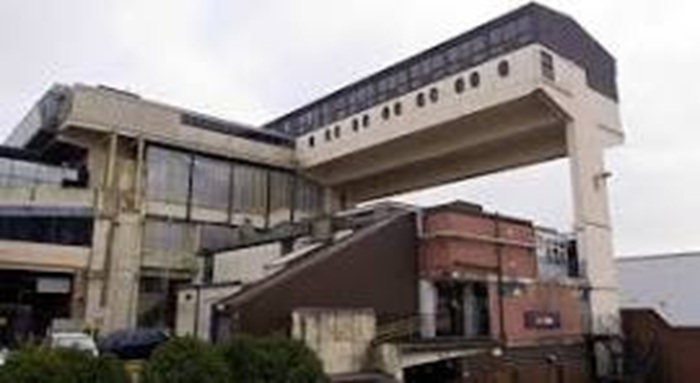
Glasgow Ramblers organised a Twixmas (the week between Christmas and New Year) walk to Cumbernauld. Cumbernauld was designated a new town on the 9th December 1955. It was built in response to the overcrowding in Glasgow. Cumbernauld is the clearest example of a modernist new town vision in the United Kingdom. However, as time progressed the dream started to fade. Regretfully, due to a lack of investment and the poor business acumen of the Cumbernauld Development Corporation, the town did not achieve what was originally hoped for. Cumbernauld has been immortalised in Bill Forsyth’s movie Gregory’s Girl, which tells the story of a young boy coming of age and falling in love. It was filmed in and around Cumbernauld with one of the local high schools featuring. Cumbernauld is located to the south east of Glasgow.
Luggie Water
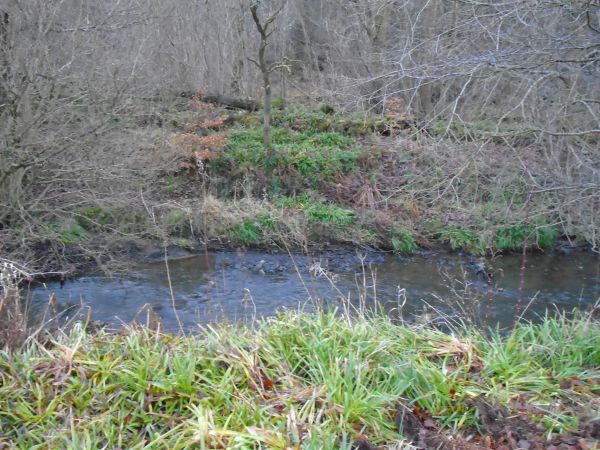
We took the train from Glasgow to Greenfaulds, an area of Cumbernauld Town, and walked a short distance out of the town to the Luggie Water. The Luggie Water is one of two streams which flow out of Cumbernauld. The name Cumbernauld derives from the Gaelic for “the meeting of the waters”, which possibly refers to the Luggie Water and the Red Burn, both of which run through Cumbernauld but which never actually meet. Water from the Luggie eventually ends up in the west in the River Clyde which runs through Glasgow.
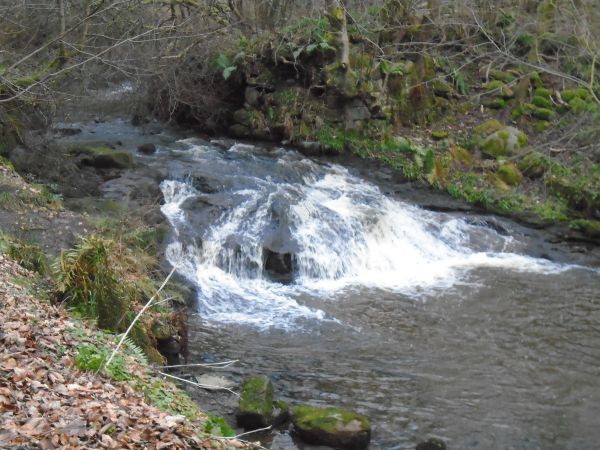
We had a pleasant walk alongside the Luggie Water passing a waterfall and the weather was kind to us as it has been a mild winter. After some time, we left the track by the Burn and headed up to the entrance to Palacerigg Country Park.
Palacerigg Country Park
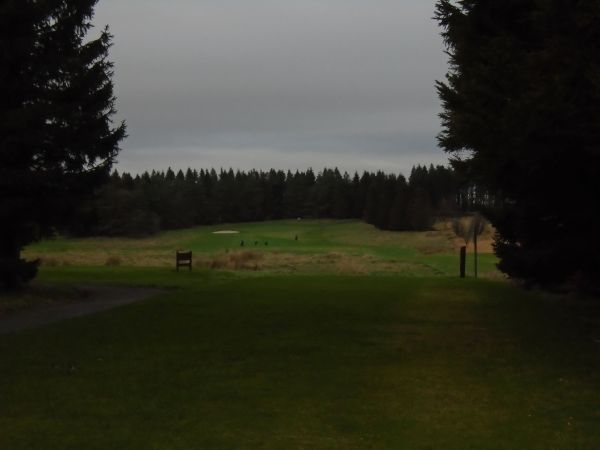
Palacerigg Country Park was originally established as a pioneering, albeit harsh, farm colony for Glasgow’s unemployed in the early 20th century. By 1908, nearly 600 men worked on the 600-acre site, planting trees, draining land, and constructing dormitories to transform the moorland. In return they received food (two meals daily), lodgings and a laundry service; 6d a week for tobacco; furlough every second Saturday afternoon to Monday morning, with return fare to Glasgow. The wife or mother received 8s per week for their own maintenance, and 1s 6d per week for each child. The total payment for the dependents was capped at 14 shillings a week.
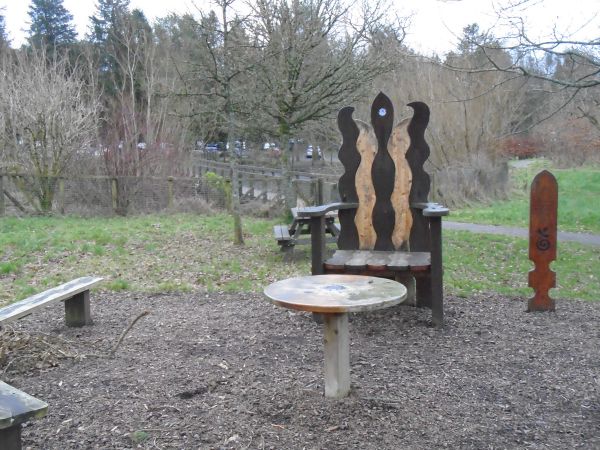
Established in the early 1970s as a Country Park, Palacerigg has been developed around the objectives of conservation, environmental education and countryside recreation. More than 40 hectares of what was once a bleak upland farm have been planted with hundreds of thousands of native trees and shrubs. This new, sheltered environment provides a sanctuary for wildlife including thriving populations of roe deer, badger, fox and hare as well as sparrowhawk, kestrel, long-eared and short-eared owl. The countryside ranger service based in the park specialise in tailoring environmental education in the countryside to meet the demands of the national 5-14 curriculum, youth groups and adult group. We made our way to the Visitors Centre picnic benches for the morning break while some of the members who were young at heart enjoyed the playpark swings etc! Nearby was an interesting carved throne chair.
Beaver Trail
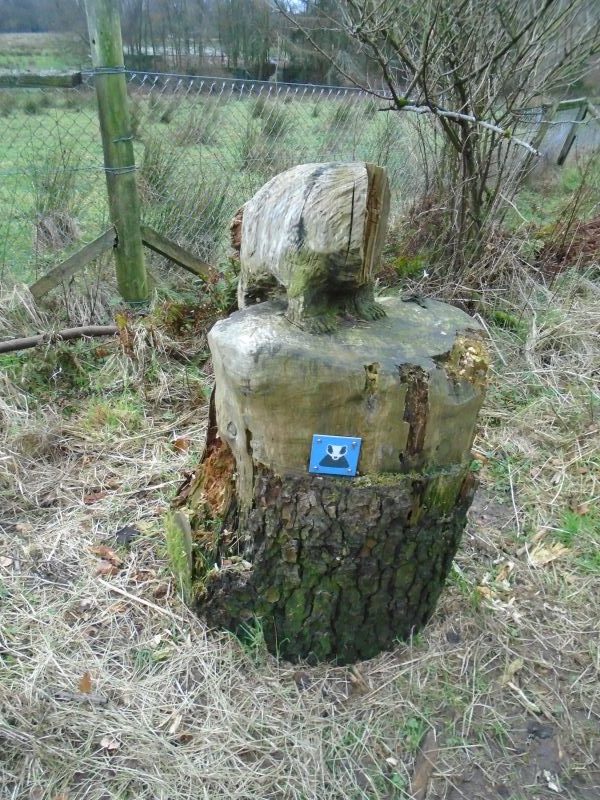
After our refreshments we walked over to Fannyside Loch to follow the Beaver Trail. Alas, the only beaver we saw was a carved wooden one at the start of the trail! Beavers are large semiaquatic rodents of the Northern Hemisphere. Beavers are the second-largest living rodents, after capybaras, weighing up to 50 kg (110 lb). They have stout bodies with large heads, long chisel-like incisors, brown fur, hand-like front feet, webbed back feet, and tails that are flat and scaly. Beavers can be found in a number of freshwater habitats, such as rivers, streams, lakes and ponds. They are herbivorous, consuming tree bark, aquatic plants grasses and sedges.
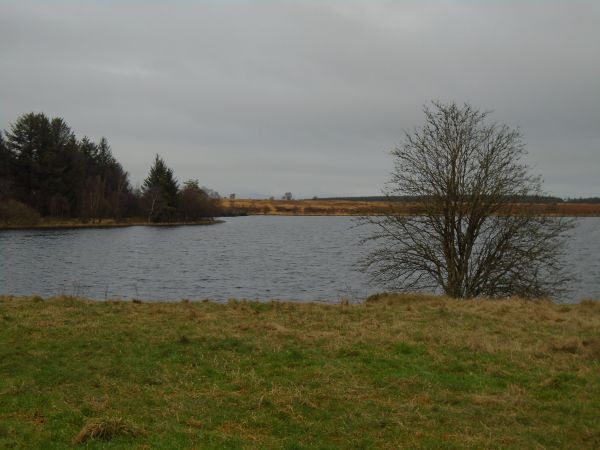
Beavers build dams and lodges using tree branches, vegetation, rocks and mud; they chew down trees for building material. Dams restrict water flow, forming ponds, and lodges (usually built in ponds) serve as shelters. Their infrastructure creates wetlands used by many other species, and because of their effect on other organisms in the ecosystem, beavers are considered a keystone species. Adult males and females live in monogamous pairs with their offspring. After their first year, the young help their parents repair dams and lodges; older siblings may also help raise newly born offspring. Seems like the perfect family!
Palacerigg Activities
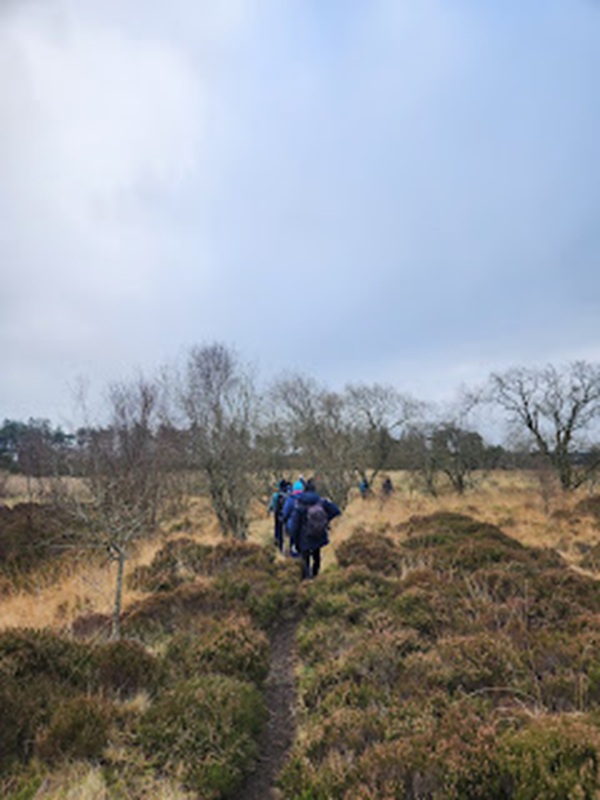
Before completing the walk to Cumbernauld Station, we passed by the Golf Course where we were warned of flying golf balls. I am amused by this as it would be difficult to avoid a flying golf ball at the speed of travel! On the walk, we were aware of a buzzing noise which turned out to be a model flying airplane club . There was also the noise of clay pigeon shooting in the distance. Clay pigeon shooting is the sport of shooting flying targets with shotguns. The targets are called ‘clays’, which are round (not pigeon-shaped) and break apart when hit.
Thanks to Helen of Glasgow Ramblers for organising, researching and leading the interesting walk.
Coming attraction; North Queensferry on the Fife Coastal Path.
This section: Helen Rose Hillwalking Diary
Filed under: Helen Rose Hillwalking Diary
Prevous page or post | Next page or post
Written by : Helen Rose
 Scottish hill walker and writer for Pat's Guide to Glasgow West End.
Categories
- About (3)
- Accommodation (12)
- American Restaurants (3)
- Architecture (9)
- archived (1)
- Art (23)
- Art & artists Glasgow West End (215)
- Art, Photography, Exhibitions what's on-glasgow (755)
- Astrology Blog by Anne Whitaker (8)
- Aye Write 2020 (13)
- Aye Write 2021 (20)
- Aye Write 2023 (27)
- Aye Write 2024 (3)
- Aye Write Book Festival 2017 (31)
- Aye Write Book Festival 2019 (45)
- Aye Write Book Festival 2022 (30)
- Aye Write Book Festival 2023 (14)
- Aye Write Book Festival 2025 (12)
- Aye Write Glasgow's Book Festival 2017 (31)
- Aye Write! Book Festival 2018 (31)
- Aye Write! Glasgow's Book Festival 2014 (34)
- Aye Write! Glasgow's Book Festival 2015 (32)
- Aye Write! Glasgow's Book Festival 2016 (42)
- Balcony Blog (1)
- Bar Stool Philosopher (11)
- Barry Paton's Legacy – Coming Home (3)
- Beauty (2)
- Beer Gardens Patio Dining (2)
- Best In The West (28)
- Black History Month Glasgow (32)
- Blog: Balloch Open Mic (23)
- Blog: U3A Glasgow West End (1)
- Bloody Scotland (10)
- Bob Law: photographer, walker and writer (93)
- Book and Event Reviews (68)
- Book Week Scotland (16)
- Book Week Scotland=2023 (10)
- Books, Talks, Poetry and Creative Writing Events (2,500)
- Burns Day Celebrations 2017 (6)
- Burns Events (74)
- Burns Night Glasgow 2015 (12)
- Business Directory (7)
- Business services (3)
- Butchers (1)
- Byres Road Book Festival 2024 (3)
- Byres Road New Developments (2)
- Cafes and Bistros (23)
- Calum Maclean – poet and aspiring writer (27)
- Cards and Home Accessories (7)
- Celtic Connections 2014 (14)
- Celtic Connections 2015 (10)
- Celtic Connections 2016 (17)
- Celtic Connections 2017 (15)
- Celtic Connections 2018 Glasgow's winter music festival (12)
- Celtic Connections 2019 (9)
- Celtic Connections 2020 (20)
- Celtic Connections 2021 (6)
- Celtic Connections 2023 (16)
- Celtic Connections 2024 (5)
- Celtic Connections 2025 (10)
- Celtic Connections 2026 (13)
- Centre for Open Studies, University of Glasgow (48)
- Chris Del Balso's Travel Blog (3)
- Christina Byrne (6)
- Christmas & Hogmanay Dining Glasgow (26)
- Christmas in Glasgow (573)
- Christmas in Glasgow 2016 – festive menus, shows, shopping. (65)
- Christmas Menus 2018 (9)
- Christmas Menus Glasgow 2016 (4)
- Christmas Menus Glasgow 2017 (9)
- Christmas Menus Glasgow Restaurants 2013 (5)
- Christmas Menus Glasgow West End 2015 (6)
- Christmas Poems , Stories and Winter Tales (45)
- Christmas Shopping in Glasgow (111)
- Cinema (4,352)
- Clare's West End Business Blog (1)
- Classes and Workshops (244)
- Clubs (7)
- Clubs in Glasgow (3)
- Comment (1)
- Community event (520)
- Community Groups and Charities (16)
- COP26 Glasgow, Climate Change, Save the Planet, Science, Biodiversity Events (62)
- Coronavirus (115)
- Coronavirus stories and poems (6)
- Courses (45)
- Creative Conversations 2021 (11)
- Dance (173)
- Dance costumes (1)
- David Howat's Glasgow Property Blog: Sales in the City (1)
- Delicatessans (3)
- Designer Jewellery Glasgow (5)
- Dougie Baird Travel Writers Blog (2)
- Dresses for special occasions (2)
- Eating and drinking Glasgow West End (281)
- Eco friendly (3)
- Edinburgh Book Festival (14)
- European Restaurants (4)
- Events, Fairs, Festivals and Fundraisers (3,039)
- Eyecare (6)
- Festival 2018 (6)
- Film reviews (30)
- Film Reviews (22)
- Film Reviews by Calum Maclean (18)
- Fiona Alderman blogging from The Salignac Foundation France (150)
- Fionnuala Boyle, blogging about culture, arts and other stuff (11)
- Firework Displays in and around Glasgow (28)
- Fireworks Displays in Glasgow 2015 (9)
- Flat for sale (1)
- Food banks (8)
- Free Events (431)
- French Restaurants (2)
- Friends of People's Palace and Winter Gardens at Glasgow Green (32)
- G20 Festival (14)
- Galleries (39)
- Gallery (6)
- Get Fit with Personal Trainer Paul Rutherford (5)
- Gifts (14)
- Gig Guide plus Club Events (1,629)
- Glasgow 850 Celebrations (2)
- Glasgow 850 Celevbrations (1)
- Glasgow 850th Celebrations (14)
- Glasgow Botanic Gardens Bicentenary 1817 – 2017 (6)
- Glasgow Commonwealth Games 2014 (31)
- Glasgow Doors Open Days (37)
- Glasgow Doors Open Days 2026 (6)
- Glasgow Film Festival 2014 (20)
- Glasgow Film Festival 2015 (26)
- Glasgow Film Festival 2016 (27)
- Glasgow Film Festival 2017 (9)
- Glasgow Film Festival 2017 (26)
- Glasgow Film Festival 2018 (21)
- Glasgow Film Festival 2019 (30)
- Glasgow Film Festival 2020 (36)
- Glasgow Film Festival 2021 (18)
- Glasgow Film Festival 2022 (18)
- Glasgow Film Festival 2023 (18)
- Glasgow Film Festival 2024 (39)
- Glasgow Film Festival 2025 (21)
- Glasgow Film Festival 2026 (18)
- Glasgow Film Theatre Special 50 Anniversary Screenings May 2024 (8)
- Glasgow Hogmanay (21)
- Glasgow International (4)
- Glasgow international (6)
- Glasgow International (4)
- Glasgow International 2016 (14)
- Glasgow International 2024 – festival of contemporary art (1)
- Glasgow International Comedy Festival (11)
- Glasgow International Comedy Festival 2014 (8)
- Glasgow International Comedy Festival 2017 (7)
- Glasgow international Comedy Festival 2018 (2)
- Glasgow International Festival April 2014 (14)
- Glasgow Jazz Festival (7)
- Glasgow LGBT (9)
- Glasgow Science Festival (25)
- Glasgow St Patrick's Day 2015 (9)
- Glasgow West End Local characters (16)
- Glasgow Youth Film Festival 2024 (3)
- gorbals (2)
- Gordon McCracken (Made In Maryhill) Photographs of Glasgow (2)
- Guide (8)
- Hallowe'en in Glasgow (163)
- Halloween in Glasgow 2015 (15)
- Halloween in Glasgow 2016 (16)
- Health and Fitness (24)
- Helen Rose Hillwalking Diary (149)
- Helen St. Helen (5)
- Heritage Festival (1)
- Heritage Festival West Dunbartonshire (8)
- Hogmanay Glasgow (11)
- Honest Politicians (1)
- Ian Mitchell (12)
- Indian Restaurants (32)
- interior design – archived (14)
- International Restaurants (3)
- International Womens Day (31)
- International Womens Day 2017 (6)
- International Womens Day Glasgow 2015 (5)
- Italian Restaurants (16)
- James Christie Blog (17)
- Jane Sweeney: Blogging about Glasgow and its hidden gems. (4)
- Jill Creighton's Blog: A Wry Guide to (Mid)Life (4)
- Jim and Pat's West End Chat (7)
- Jim Byrne's forgotten life (3)
- Jim Byrne: Photos Forth and Clyde Canal (4)
- Jim's Acoustic Music Blog (16)
- Jim's West End Photography Diary (78)
- Joiners Corner (31)
- Kids and young people (706)
- Kilimanjaro Climb for Marie Curie (6)
- Label Me: Francesca Baird blogging about autism (17)
- Leela Soma writing and blogging (22)
- LGBT Glasgow (64)
- LGBT History Month (11)
- Local Businesses Glasgow: Latest Deals, Offers and Discounts (2)
- Local Projects (6)
- Lola Rose: aspiring writer (19)
- Love Poems, Stories and Tales from Glasgow writers (36)
- Maggie Graham's Page (3)
- Markets (64)
- Mary Irvine: Writer and Philhellene (170)
- maryhill (2)
- Maryhill and Possilpark Citizens Advice Bureau (2)
- Memoir (2)
- Menus (9)
- Merchant City Festival (31)
- Merchant City Festival 2014 (18)
- Merchant City Festival 2015 (8)
- Mexican Restaurants (2)
- Mother's Day Gifts (7)
- Mothers' Day (10)
- Muriel Spark Centenary Celebrations (3)
- Music (87)
- Music (16)
- Music (76)
- Music Reviews (36)
- New Books by Scottish Writers (19)
- North Kelvin Meadow and Children's Wood, Glasgow (52)
- Online Marketing (2)
- Online Shopping (5)
- Opticians (2)
- Pamela Banchetti (4)
- Pantos and Christmas Shows in Glasgow (120)
- Pantos and Christmas Shows in Glasgow 2016 (26)
- Partick Film Festival (3)
- Partick Folk Club (3)
- Pat's Home Page Blog (1,377)
- Pauline Keightley (59)
- People: Local Glasgow West End Characters (43)
- Peoples Palace Winter Gardens and Glasgow Green (23)
- Photography (41)
- Photography by Muir, 11 year old schoolgirl (1)
- Piping Live! (2)
- Podcast: JIm and Pat's West End Chat (5)
- Poems and Stories for Autumn (5)
- Poetry (38)
- Property (3)
- Pub Quiz Nights (5)
- Rabbie Burns Day Events in Glasgow 2014 (9)
- Rachelle Atalla: Film Reviews (2)
- Rae McGreevy Fundraising for MYLOL (3)
- Recruitment (1)
- Refugee Festival Scotland (11)
- Rizwan Akhtar – Poet (8)
- Rotten English Podcast (3)
- Roy's West End View (6)
- Russian (1)
- Sara McQueen: blogging about Glasgow (1)
- Scenes from Highland Life (3)
- Science: Climate Change and Other Topics (23)
- Scottih Book Week Glasgow Events 2016 (9)
- Scottish Restaurants (19)
- Seafood Restaurants (3)
- Sean's trip to glasgow (1)
- Seasonal Stories and Poems by Glasgow Writers (20)
- Shipbuilding on the Clyde (2)
- Shoes (1)
- Shopping (196)
- Situations Vacant Glasgow West Ebd (1)
- Situations Vacant Glasgow West End (6)
- Southside Festival 2015 (4)
- Southside Festival Fringe 2016 (11)
- Southside Film Festival (31)
- Southside Film Festival 2013 (2)
- Southside Fringe (2)
- Southside Fringe 2014 (5)
- Southside Fringe Festival 2015 (3)
- Sport, Walks, Cycling in Glasgow (131)
- Star Folk Club (32)
- Starchild (29)
- Stephen Watt, Poet. (15)
- stories and poems (68)
- Stories for Hallowe'en (8)
- Street Food Glasgow (7)
- Stuart Paterson: Writer's Blog (5)
- Sweet or sharp summer stories and poems (6)
- Takeaway (4)
- Ten Writers Telling Lies (13)
- The Best of Bus Pass Rambles – Wullie Davidson (1)
- The Glasgow Keelie (1)
- The Lucky Break Clydebank (5)
- The Reeling – Summer Scottish Music Festival in Glasgow (1)
- The Referendum and Scottish Politics (7)
- The Scottish Mental Health Arts and Film Festival (1)
- Travel (47)
- Trip to Paris (1)
- Ukraine Fundraisers and Events (4)
- Uncategorized (1)
- University of Glasgow Advanced Research Centre (35)
- Unusual West End Facts (1)
- upcycling (4)
- Valentina Galdi Words Unsaid (4)
- Valentine's Day 2021 (10)
- Valentine's Day Glasgow 2016 (24)
- Valentine's Day Glasgow Gifts (3)
- Valentine's Day in Glasgow 2014 (11)
- Valentine's Day in Glasgow 2017 (15)
- Valentines Day Glasgow (46)
- Vegetarian Restaurants (1)
- video (1)
- Vintage and Retro Clothing (14)
- Walks (48)
- Walks and Tours Glasgow (35)
- Weddings (29)
- Weddings Glasgow (30)
- West End Festival 2014 (59)
- West End Festival 2015 (39)
- West End Festival 2016 (49)
- West End Festival 2017 (40)
- West End Festival Glasgow (111)
- West End Miscellany (2)
- WestFest 2025 (12)
- WestFest Glasgow's Cultural and Community Festival (83)
- What's On Glasgow West End: cinema, clubs, theatre, music, events, festivals, community and more (5,124)
- What's on Glasgow: Students (60)
- What's on in Glasgow: Theatre and Comedy (840)
- Winter 2014 (2)
- Womens Clothes sand accessories (4)
- Womens clothing (1)
- Woodlands Community (140)
- writers (50)
- Writing (124)
- Writing for the Festive Season (20)
- Writing for the Festive Season 2015 (5)
- Wullie Davidson: Blogging about Bus Pass Jaunts in Scotland (25)
- Zoom and online events (373)
Related Pages
- Helen Rose Outdoor Diary: Falkland.
- Helen Rose’s Outdoor Diary: St Monans to Kingsbarns.
- Helen Rose Outdoor Diary: Elie Chain Walk.
- Helen Rose Outdoor Diary: Aviemore Again.
- Helen Rose Outdoor Diary, Fairlie
- Helen Rose Outdoor Diary: Cairneyhill to North Queensferry
- Helen Rose Outdoor Diary: Busby to Eaglesham
- Helen Rose’s Outdoor Diary: Roman Barr Hill and Croy Hill.
- Ayrshire Coastal Path. Final Sections. November 2025
- Helen Rose’s Outdoor Diary: Glasgow Cathedral and Necropolis
- Helen Rose’s Outdoor Diary: Royal Edinburgh Military Tattoo
- Helen Rose’s Outdoor Diary, Alnmouth, Northumberland
- Helen Rose’s Outdoor Diary: Braemar
- Helen Rose Outdoor Diary: Robert Burns Country
- Helen Rose’s Outdoor Diary: Cademuir, Peebles.
- Aviemore – Helen Rose Outdoors
- Helen Rose’s Outdoor Diary: El Rompido Part 2.
- Helen Rose’s Outdoor Diary, El Rompido Part 1.
- Helen Rose Outdoors – Grantown on Spey.
- Helen Rose’s Outdoor Diary: Edinburgh.