Helen Rose Outdoor Diary: Aviemore Again.
June 2026
We had a Spring weekend away at Aviemore as we did last year organised by Glasgow HF Outdoor Club . The weather was a little unsettled but as usual we were equipped for it. This is Scotland and the price we pay for mountains and greenery is frequent rain and wind. I would not have it any other way! After all, we are hardy Scots.
Aviemore
Aviemore is situated at the foot of the Cairngorms which is a concentration of the highest mountains in Scotland mostly from 3,000 to 4,000 feet. We stayed in the very comfortable Aviemore Youth Hostel and had twin bedded rooms.
Despite the title Youth, it is for all ages and youth is a historical title.
Slochd
The walk on the Saturday was from the Slochd Summit. The Slochd Summit is a mountain pass on the A9 road and the Highland Mainline Railway between Inverness and Aviemore heading north. An old military road also goes through the pass. Both the road and the railway have signs marking the spot, the A9 is at a height of 1,328 feet (405 m), while the railway reaches 1,315 feet (401 m). The Slochd Summit is the second highest place on the route from Inverness to Perth to the south. The Pass of Drumochter at 1,500 feet (460 m) is higher and bleaker.
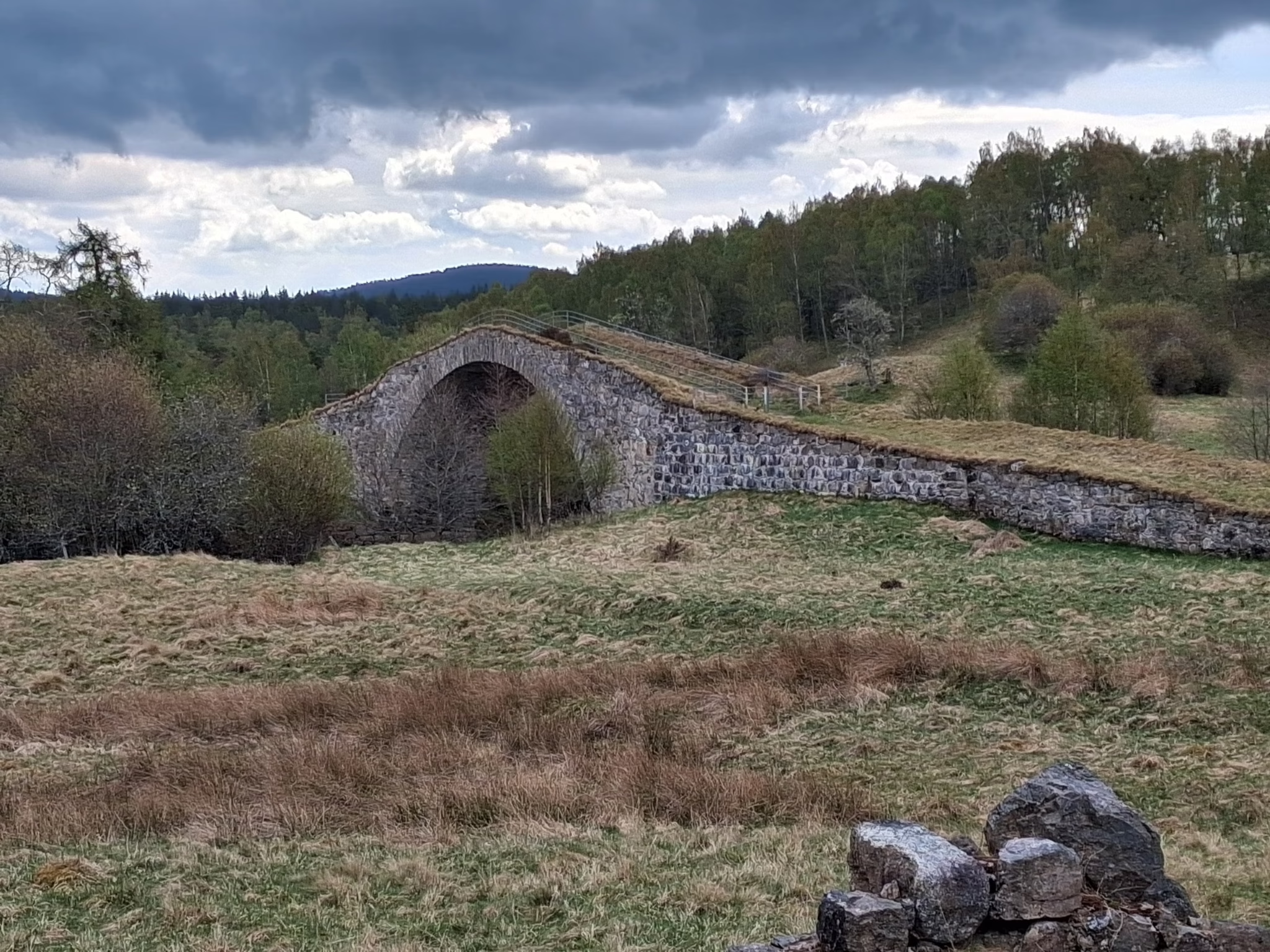
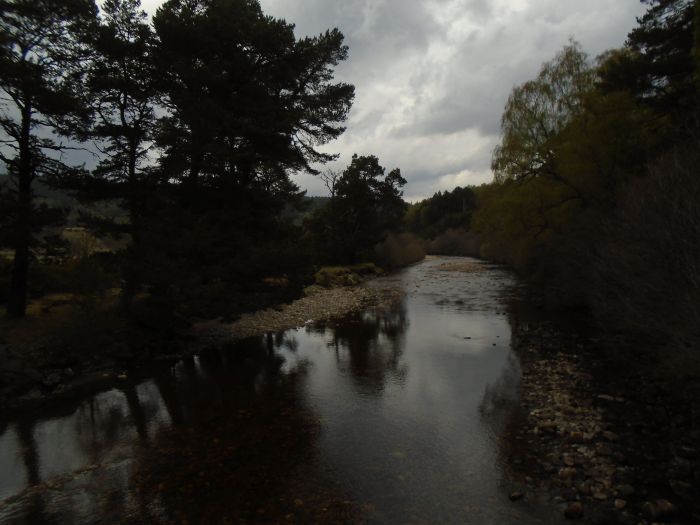
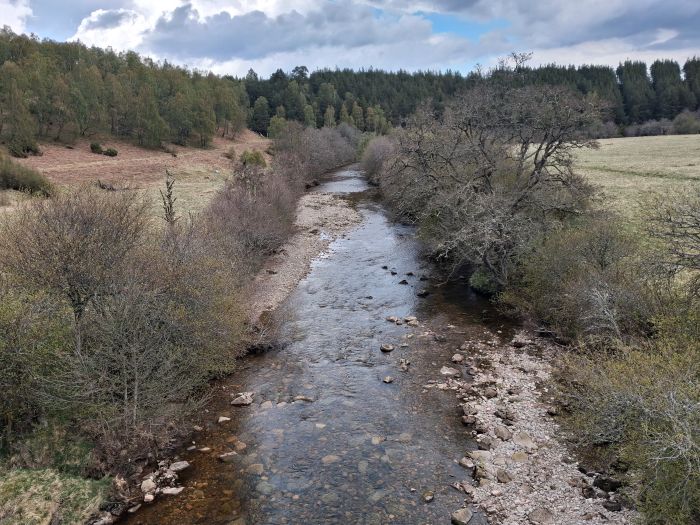
The walk started from the car park and we walked through a forest in this remote and wild countryside to a farm and continued to the Dulnain River at the Sluggan Bridge on Wades Road where we stopped for elevenses. The River Dulnain is a major left bank tributary of the River Spey. It rises in the eastern part of the Monadhliath Mountains near Kingussie and flows in a generally north eastward direction. Sluggan Bridge crosses the River Dulnain and the present bridge replaces a two-arched bridge of 32 feet (9.8 m) span built by George Wade as part of a military Road. The old bridge was washed away in the floods of 1829, and the present one put up some time after. Field Marshall George Wade (1673 – 1748) was a British army officer and politician who served in the Nine Years War of the Spanish Succession and War of the Quadruple Alliance. He went on to be a military commander during the War of the Austrian Succession and Commander-in-Chief of the Forces during the Jacobite Rising of 1745. While commanding the British Crown forces in Scotland, Wade was responsible for constructing hundreds of miles of Military Roads, many of which remain in use.
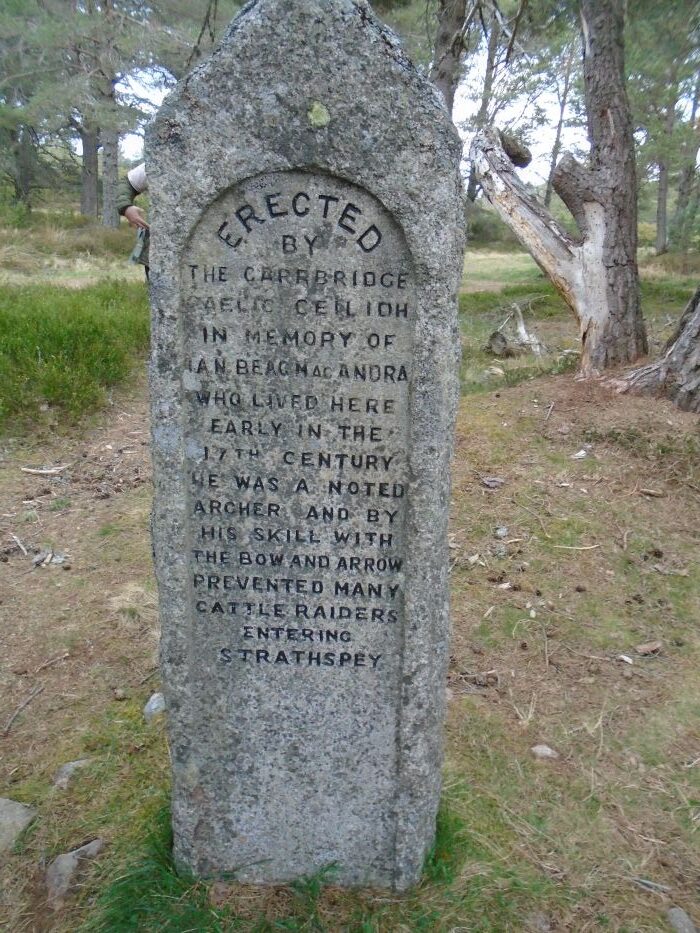
We walked on to the stone dedicated to Ian Macandra, the Archer, the Defender: He was hired by Clan Rose of Kilravock to protect their cattle from rival Clan Mackintosh cattle raiders. According to local lore, during a skirmish, Macandra killed the leader of the Mackintosh raiders with a single arrow. Knowing they would seek vengeance, he used his wit to outsmart and defeat the revenge-seeking raiders who tracked him to his own woods.
We sat down for lunch later in a clearing and there was a very heavy downpour. When we got back to the cars, we were drookit! Thankfully, there was an excellent drying room in the hostel
Many thanks to Jean for organising and leading this walk.
Coylumbridge
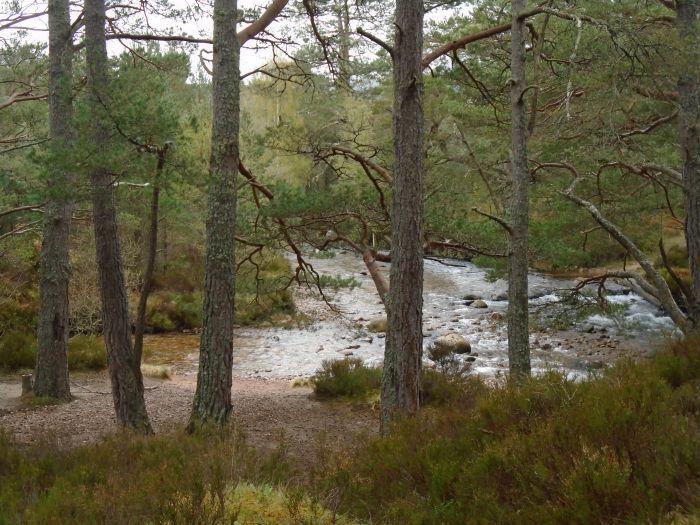
With no organised club lower level walk on the Sunday, five of us decided to do a walk from Coylumbridge which was accessible by public bus from Aviemore. Coylumbridge is a small rural newly built hamlet, that lies six miles (9.7 km) northeast of Dalnavert and three miles (4.8 km) southeast of Aviemore, in the valley of the River Spey, in the west Cairngormas National Park. Noreen had pepared a route map and we walked from the bus towards Rothiemurchus Forest. After wards we would enjoy refreshments in the hotel before taking the bus back to Aviemore for dineer at the Cairgorm Hotel.
Rothiemurchus Forest
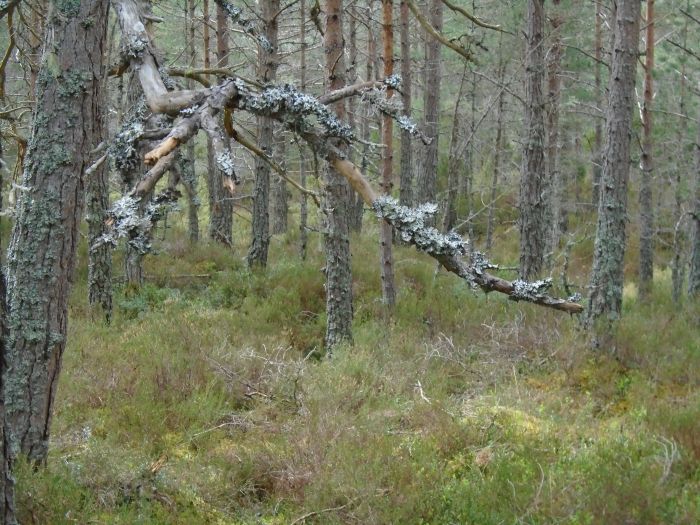
We walked through Rothiemurchis Forest by the river admiring the lichen on the trees signifying the pure air. Like small signposts, these curious organisms can tell us a lot about the air we’re breathing.
Fresh, clean air is wonderful to breathe in. Without the health risks of air pollution, fresh air feels great for our lungs. Lichens love clean air too, in fact, their sensitivity to air pollution means they make good air quality indicators.
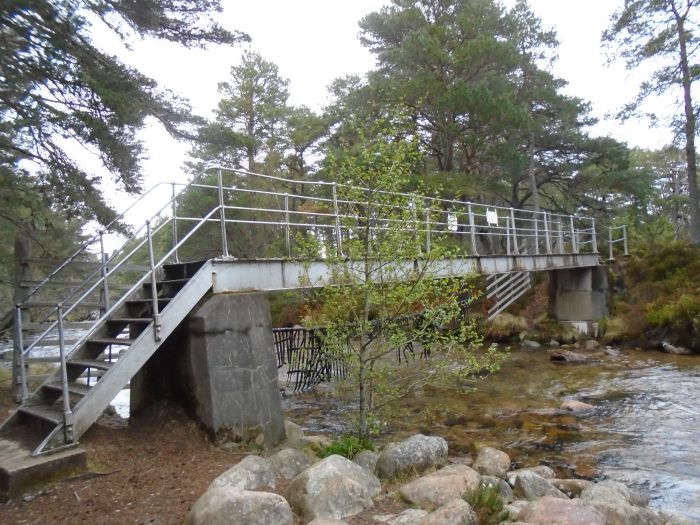
We reached the Iron Bridge through the Caledonian pine forest. The bridge is over the Am Beanaidh. We stopped for a refreshment break here in fine weather. Many cyclists use the route and carried their bikes over the bridge. The bridge was constructed by the Cairngorm Club and opened on August 3, 1912, replacing an earlier wooden structure. It was engineered in an honorary capacity by James A. Parker, a prominent mountaineer and club member.
Piccadilly Crossroads.
We continued the walk to the Piccadilly Crossroads. It gets its highly unusual name from a cheeky nod to London’s famous street—originally named for 17th-century frilly lace. We had our al fresco lunch there and retraced our steps at that point. The views to the Cairngorms were misty but we could have continued to the start of the Lairig Ghru which I did a long time ago for the Cairngorm Mountain Rescue fundraising. It is twenty two miles long and rises to over 2,000feet so a hard walk.
Coming attraction; Elie and beyond on the Fife Coastal Path
This section: Helen Rose Hillwalking Diary, Pat's Home Page Blog
Filed under: Helen Rose Hillwalking Diary, Pat's Home Page Blog
Prevous page or post | Next page or post
Written by : Helen Rose
 Scottish hill walker and writer for Pat's Guide to Glasgow West End.
Related Pages
- Pressure at GFT
- Mackenzies: A Dog’s Breakfast Album Release LNFG
- Social Dancing Maryhill Burgh Halls
- Glass and Concrete Project Launch
- Siskin Green – Living in the Echo at Cottiers
- Take 2: Horton Hears A Hoo at GFT
- Ando Glaso Roma Fest – Symposium University of Glasgow
- ‘Premature’: First clip released from brand new Scottish rom-com
- Wully Davidson: Climate Change – Glacial Lake Outflow Floods & Glacier Collapse Floods
- Helen Rose Outdoor Diary: Falkland.
- Yorkhill Gala Day 2026
- Sea Shanty Workshop
- Hillhead Beer and Food Festival
- Govan Book Festival – In Conversation with Alan Dimmick
- Brutal Glasgow Trail
- Every Picture Tells A Story – Exhibition Maryhill Burgh Halls
- Doors Open Days: Old Kilpatrick Graveyard Walk and Talk
- Drawing the Past: Still Life with Singer Sewing Machines
- Launch of Books by Lesley Benzie and Graham Fulton
- Ann MacKinnon, Scottish Writers Centre