Helen Rose Outdoor Diary: Falkland.
September 2026
The Health Culture Rambling Club organised a bus to Falkland in Fife for a day trip of walking and culture. Falkland is a village, parish, and former royal burgh at the foot of the Lomond Hills in eastern Scotland. According to the 2022 census it has a population of 1,041. The Falkland Estate was once a hunting ground for Stuart Kings and Queens.
Maspie Glen (Den)
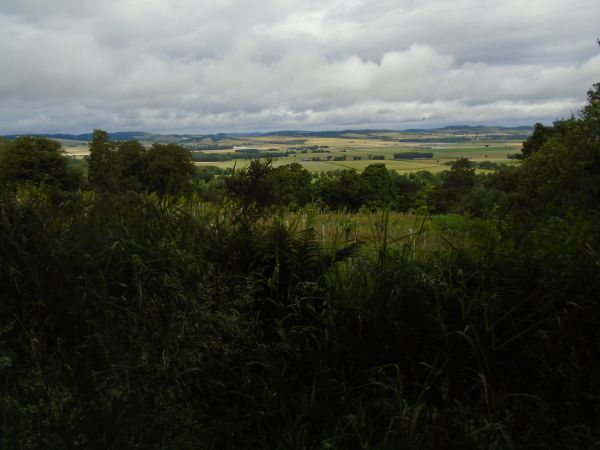
We climbed the 80 steps to access Maspie Glen. A steadily ascending walk up a narrow glen, taking in all kinds of curious historic bridges and structures on the Falkland Estate. We followed this path all the way to the top of Maspie Den, crossing the burn several times via a series of small bridges. The first waterfall encountered was Little Yad. The jumble of fallen trees here in the burn and along the den in general is largely the result of the huge storm that battered Central Scotland on 3rd January 2012. The Falkland Estate suffered particularly badly due to its location, with winds accelerating down the leeward slopes of the Lomond Hills. Winds in excess of 80mph brought down 10,000 trees on the estate, decimating the path network and destroying valuable habitat for the estate’s red squirrels. The path eventually culminated in a beautiful waterfall that you can walk behind. The weather had been fairly dry so the waterfall was not more than a trickle. The glen was very beautiful to walk in.
Lunch
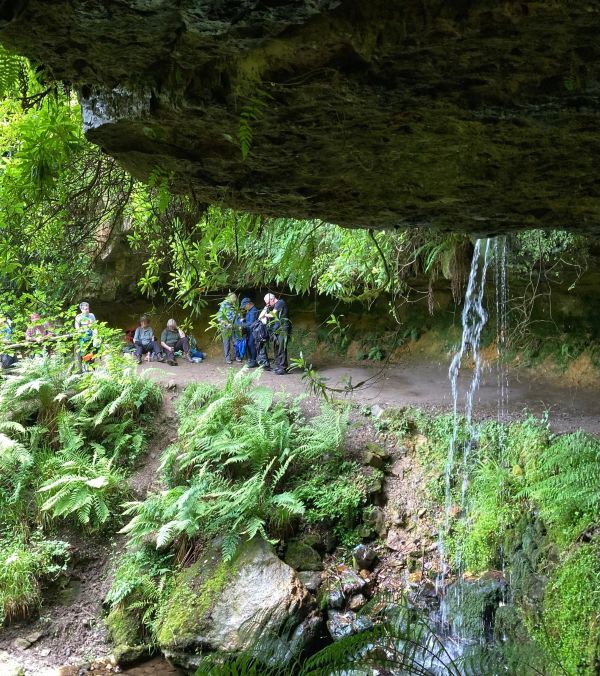
We stopped facing the waterfall for lunch and as it was Robert’s 60th birthday, cakes and drinks were passed round. It was then a rendition of Happy Birthday.
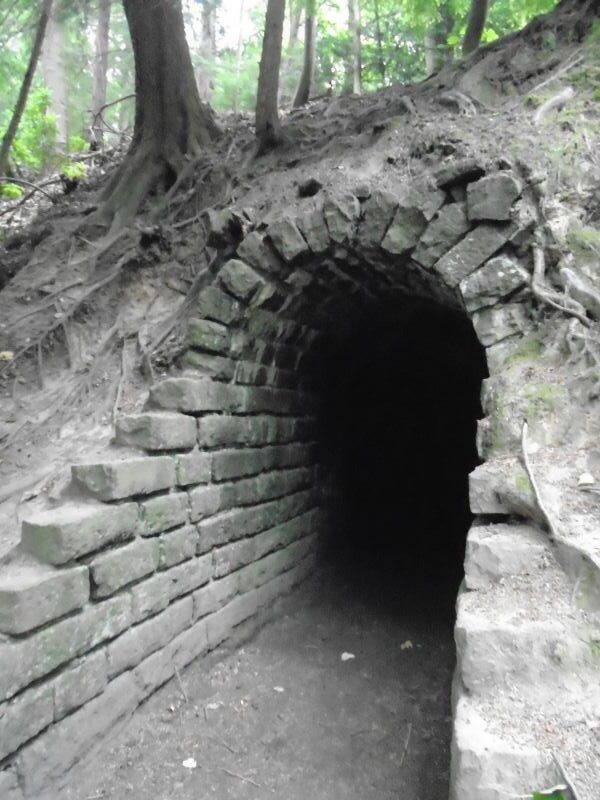
Within the estate there are fossilised desert sands and prehistoric dune patterns hidden in the stone. There are ranger walks and it would be well worth a return visit to see these features. Later we passed through a blind tunnel but it was fairly short and light could be seen at the end.
Stables
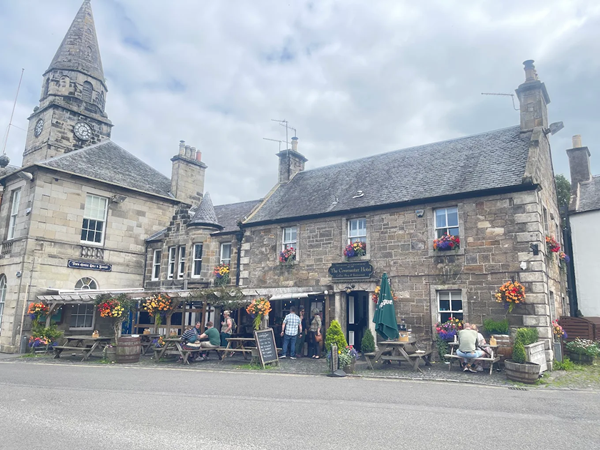
The walk continued on in the estate and I had opted for the shorter version so there was time to stop at the Stables Café on the Estate for refreshments. We were lucky with the weather and were able to sit outside for coffee. The café is in the old stables designed by John Swinton and built in 1822.
Chimneys
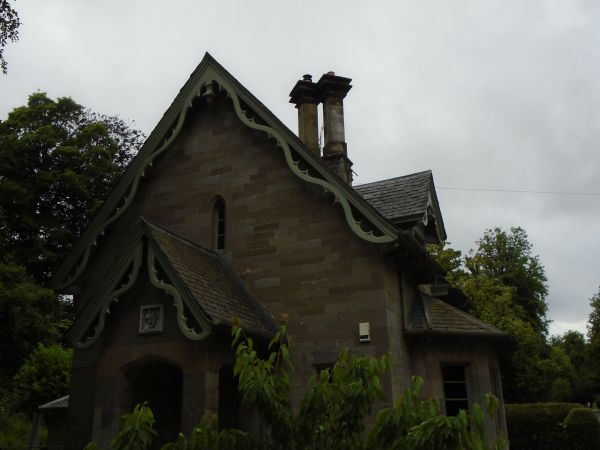
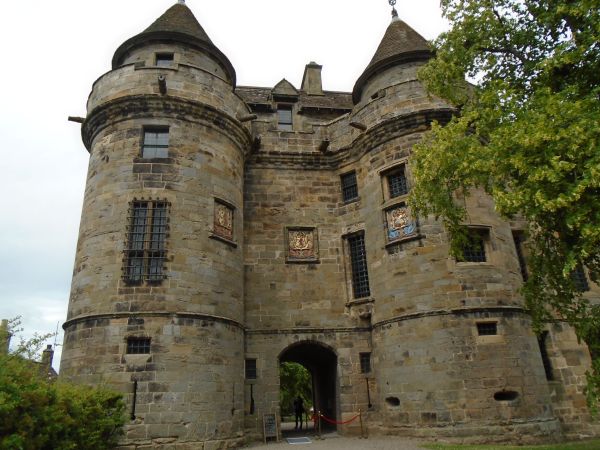
On leaving the café on the estate to walk back to Falkland, we passed by the Gatehouse which I noticed had unusual chimneys. They were a distinctive pair of tall, diamond-shafted ridge chimney stacks. These ornate, decorative chimneys match the English-Jacobean and Arts & Crafts architectural style found across the estate’s historic buildings.
Falkland Village
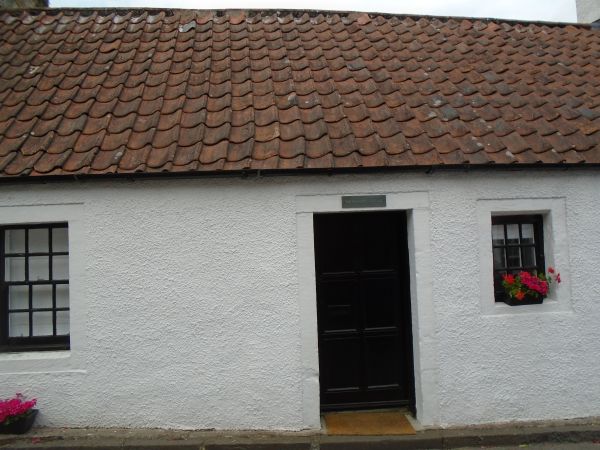
The village has small and beautifully restored quirky cottages and narrow old streets. The Weavers Cottage is very pretty and is a category B listed buiding in the conservation area. There are crowstep gables on many of the buildings which are common on the east coast of Scotland.
Falkland Palace and Gardens
The jewel in the crown in Falkland is the Palace. It was inspired by the grand Chateaux in France. In the 16th century, James IV and his son James V, transformed this favoured retreat of the royal Stuarts. The Palace became one of the finest examples of Renaissance architecture in Scotland. The formal gardens were designed by Percy Cane who was an English garden designer and writer in the 19th and 20th Centuries.
Royal Tennis
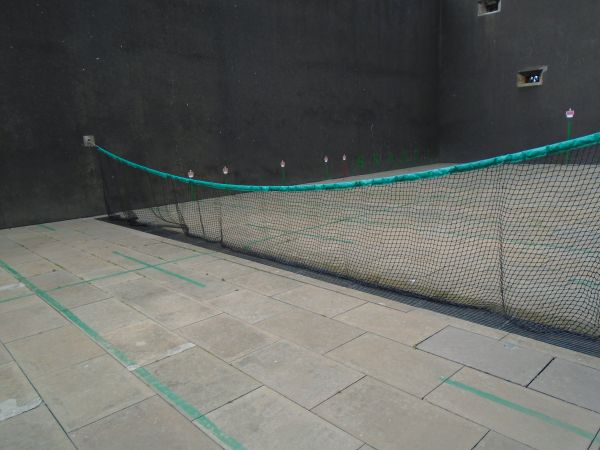
The Palace is famous for the Royal Tennis Court built in 1583. This ancient precursor of tennis is played indoors on a court resembling a Medieval street, complete with sloping roofs, openings (like windows) in the walls and the two sides of the court are not the same shape. You only serve from one end of the court and the main objective is to win the serve, as most points are won from this end. It is a racquet sport, played on a stone floor with a heavy wooden asymetrical racquet and using balls hand-made made by the club Pros. Played by Henry VIII, written about by Shakespeare, and wildly popular in the Middle Ages, this game is now rare. There is a tennis club which still uses the court.
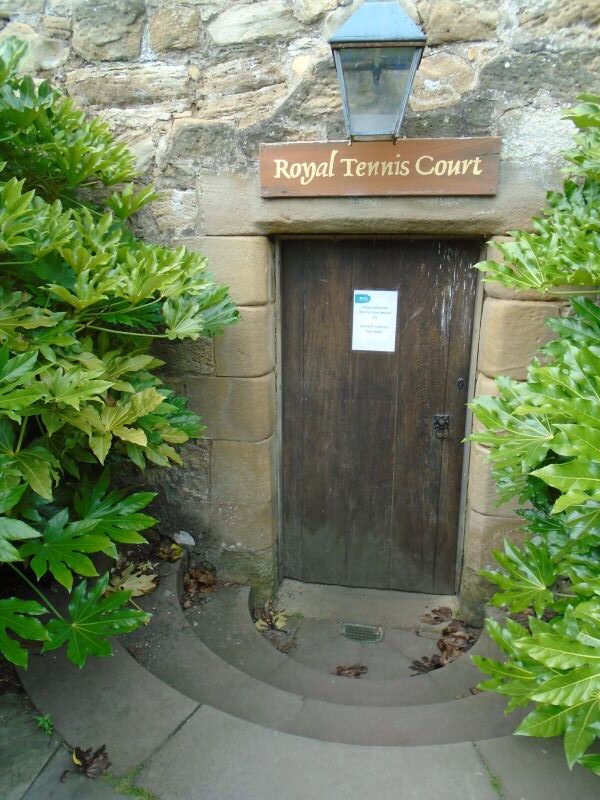
Mary Queen of Scots played tennis here and it is now the oldest surviving royal or, sometimes called, real tennis courts in the world. She also pursued her other interests of falconry and hunting on the estate.
Dancing in the Streets.
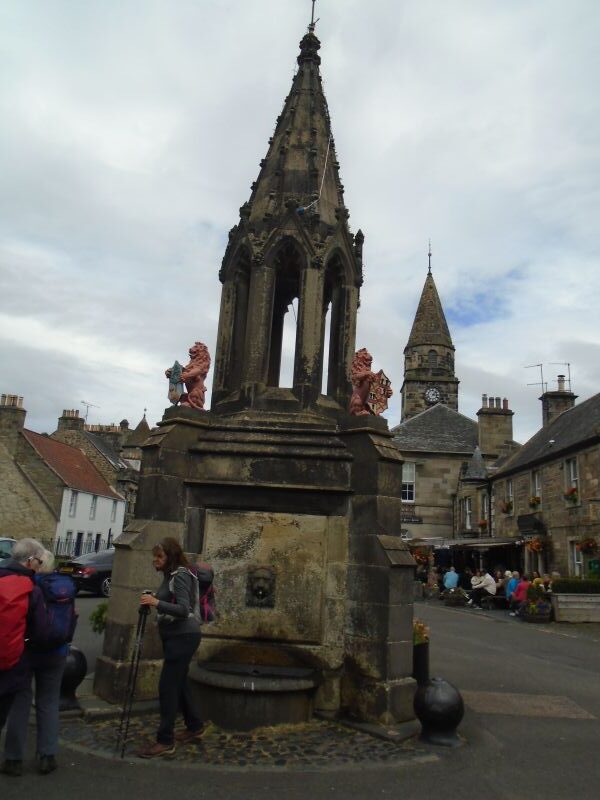
After soaking up the sun in the Falkland Palace Gardens it was off to the local Covenanters pub on the square for dinner and refreshments. There was a band playing outside the pub so I had a few dances with local worthies before boarding the bus back to Glasgow. It was a fitting end to a perfect day and a huge thankyou to Anne and Robert for arranging the trip to Falkland.
Coming attractions: Arrochar Heritage Trail, Greenock and final stages of the Fife Coastal Trail.
This section: Helen Rose Hillwalking Diary
Filed under: Helen Rose Hillwalking Diary
Prevous page or post | Next page or post
Written by : Helen Rose
 Scottish hill walker and writer for Pat's Guide to Glasgow West End.
Related Pages
- Helen Rose Outdoor Diary: Falkland.
- Helen Rose’s Outdoor Diary: St Monans to Kingsbarns.
- Helen Rose Outdoor Diary: Elie Chain Walk.
- Helen Rose Outdoor Diary: Aviemore Again.
- Helen Rose Outdoor Diary, Fairlie
- Helen Rose Outdoor Diary: Cairneyhill to North Queensferry
- Helen Rose Outdoor Diary: Busby to Eaglesham
- Helen Rose’s Outdoor Diary: Roman Barr Hill and Croy Hill.
- Ayrshire Coastal Path. Final Sections. November 2025
- Helen Rose’s Outdoor Diary: Glasgow Cathedral and Necropolis
- Helen Rose’s Outdoor Diary: Royal Edinburgh Military Tattoo
- Helen Rose’s Outdoor Diary, Alnmouth, Northumberland
- Helen Rose’s Outdoor Diary: Braemar
- Helen Rose Outdoor Diary: Robert Burns Country
- Helen Rose’s Outdoor Diary: Cademuir, Peebles.
- Aviemore – Helen Rose Outdoors
- Helen Rose’s Outdoor Diary: El Rompido Part 2.
- Helen Rose’s Outdoor Diary, El Rompido Part 1.
- Helen Rose Outdoors – Grantown on Spey.
- Helen Rose’s Outdoor Diary: Edinburgh.